How crypto funds help avoid emotional mistakes in trading
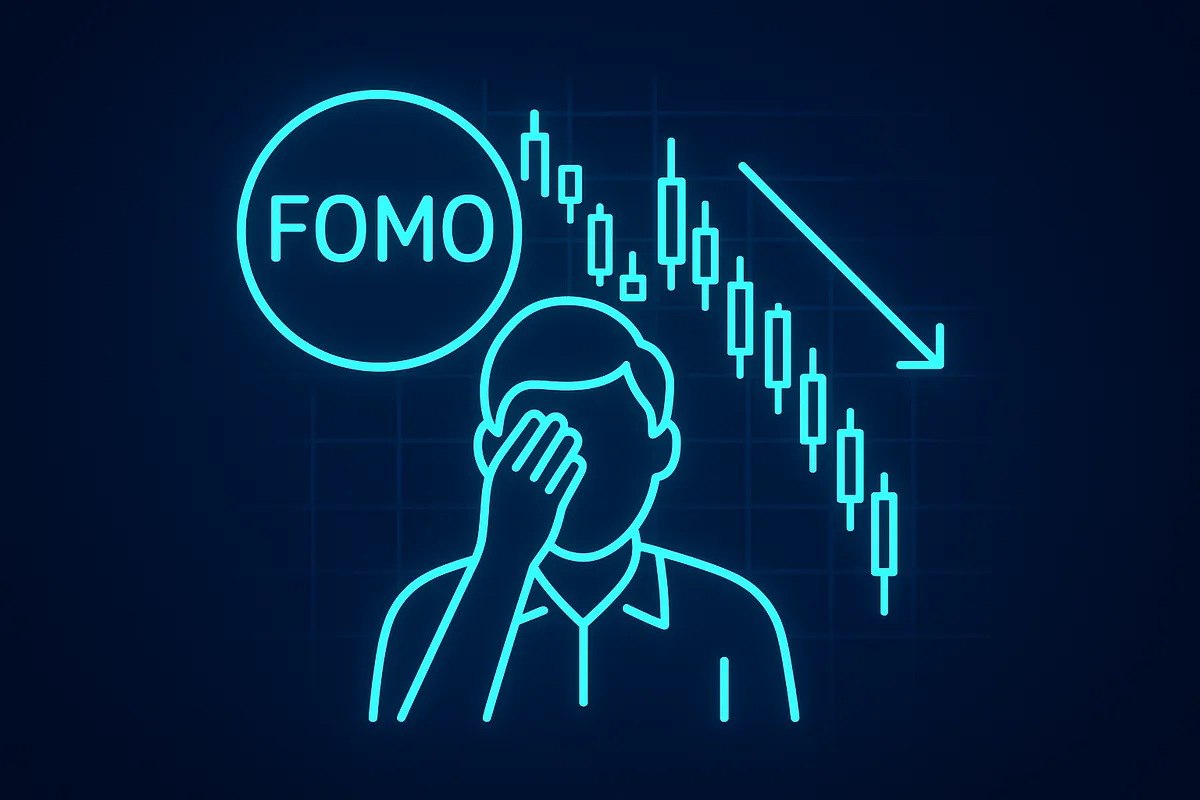
Emotional trading is one of the main causes of losses in the crypto market. Statistics show that up to 90% of retail traders lose money, and more often the problem isn’t the strategy but emotions. Fear of missing out (FOMO), panic selling, greed, the urge to “win back” after a losing trade — all of […]
Emotional trading is one of the main causes of losses in the crypto market. Statistics show that up to 90% of retail traders lose money, and more often the problem isn’t the strategy but emotions. Fear of missing out (FOMO), panic selling, greed, the urge to “win back” after a losing trade — all of this leads to poor decisions that can destroy even a good trading plan.
Why does this happen? And how do modern crypto funds help remove the influence of emotions and start generating systematic profits? Let’s take a closer look.
Why emotions prevent profit
- FOMO — fear of missing out
When the market is rapidly rising, novice investors make impulsive buys without analysis. Entering the market at the “highs” is a classic mistake that causes newcomers to lose money. - Panic during sharp drawdowns
When the market falls, emotions trigger a defensive mode: people want to sell everything just to “not lose more.” As a result, losses are realized where an experienced trader would have bought more or waited for a recovery. - Greed and breaking risk management
After a string of successful trades many increase risk, open oversized positions, or jump into new coins — and predictably lose capital. - Overtrading and chaotic actions
Beginners often sit at the terminal for 5–8 hours, opening trades “for the sake of results.” This leads to emotional burnout and mistakes.
All these situations have one thing in common: decisions are made on emotion rather than on data.
Algorithmic trading vs. manual: which is better?
Manual trading
- requires experience
- is prone to errors from fatigue
- doesn’t always preserve the ability to respond appropriately to sudden market changes
- requires constant monitoring
- depends on psychology
Algorithmic trading
- operates on mathematical models
- analyzes hundreds of parameters in milliseconds
- does not experience fear, euphoria, or greed
- adheres to risk management perfectly
- doesn’t get tired and doesn’t make impulsive moves
That is why algorithms are used today by professional funds, banks, and institutional investors — they know the human factor is too costly.
How IQSF solves the emotion problem
The IQSF fund builds strategies around mathematical models and strict risk management. Key elements of the approach:
- Models make decisions based on objective signals (time patterns, volumes, market depth), not on “market feel.”
- Risk control at the strategy and portfolio levels: maximum drawdowns, per-instrument risk limits, and correlation constraints.
- Automatic execution: minimizing slippage and maintaining discipline on entries/exits.
This allows the system to make decisions instantly and objectively — without emotions.
Our approach:
“Our strategies are driven by mathematical models — no impulsive decisions.”
The algorithm is not susceptible to FOMO, does not panic during corrections, and does not violate risk management rules.
Its job is to deliver stability where humans are prone to mistakes.
Conclusion: emotions are the trader’s main enemy — algorithms are the best ally.
If you want to avoid rookie mistakes, eliminate emotional stress, and start trading systematically, algorithmic funds are the best solution.
Frequently asked questions
Why do most crypto traders lose money?
Most losses in crypto trading come from emotional decisions rather than a flawed strategy, with statistics showing up to 90% of retail traders losing money. Fear of missing out drives impulsive buying near highs, panic triggers selling during drawdowns, and greed after a winning streak leads to oversized positions. These patterns repeat because decisions are made on emotion rather than on data.
What is FOMO in crypto trading?
FOMO is the fear of missing out that pushes novice investors to buy impulsively without analysis when the market is rising fast. Entering at the highs is a classic mistake that causes newcomers to lose money, since it often happens right before a reversal or drawdown. It is one of several emotional patterns, alongside panic selling and greed, that damage trading results.
How is algorithmic trading different from manual trading?
Algorithmic trading operates on mathematical models and can analyze hundreds of parameters in milliseconds, without experiencing fear, euphoria, or greed. Manual trading depends on experience and psychology, is prone to errors from fatigue, and requires constant monitoring. This is why professional funds, banks, and institutional investors rely on algorithms rather than manual decisions.
How does IQSF remove emotion from trading decisions?
IQSF builds strategies around mathematical models and strict risk management instead of market feel. Decisions rely on objective signals such as time patterns, volumes, and market depth, while risk is controlled through maximum drawdowns, per-instrument limits, and correlation constraints. Automatic execution keeps slippage low and maintains discipline on entries and exits.